
VEGETABLES THAT ARE BENEFICIAL FOR DOGS
Feeding your dog a balanced diet is crucial for their health and happiness. While many pet owners focus on high-quality proteins and grains, vegetables can also play a vital role in your furry friend's nutrition. But how many veggies should you actually include in your dog's diet? Let’s explore the world of canine nutrition and find out!
The Benefits of Vegetables for Dogs
Vegetables are filled with essential vitamins, minerals, and fiber that contribute to your dog's overall well-being. For instance, carrots are high in beta-carotene, which supports vision, while green beans are rich in vitamins A, C, and K, aiding in immune function. These nutritious foods help with digestion and provide antioxidants that can combat the effects of aging.
A diverse diet with vegetables can also prevent mealtime monotony. Just like humans benefit from colorful plates, dogs enjoy a variety of nutrients, which can enhance their appetite and zest for life!
How Much Vegetables Should You Feed Your Dog?
When it comes to the quantity of vegetables, moderation is key. A general guideline is that vegetables should make up about 10-20% of your dog's total daily diet. For example, if your dog consumes 2 cups of food daily, you can safely include about 1/4 to 1/2 cup of vegetables.
However, the exact amount varies based on your dog's size, age, and activity level. A 50-pound dog may thrive on this guideline, while a smaller dog under 20 pounds may need to stick closer to the 10% mark. Always consult with your veterinarian to determine the best portion sizes for your specific dog. They can provide tailored advice based on your pet’s unique needs.
Choosing the Right Vegetables
Not all vegetables are equally nutritious for dogs. Some are easier for them to digest, while others may cause digestive upset. Here are key options that are safe and beneficial:
Carrots: With just about 41 calories per 100 grams, carrots are low in calories and high in fiber, making them an excellent crunchy treat.
Green Beans: These slender veggies are not only easy to digest but also have about 31 calories per 100 grams, making them a smart addition to your dog's meals.
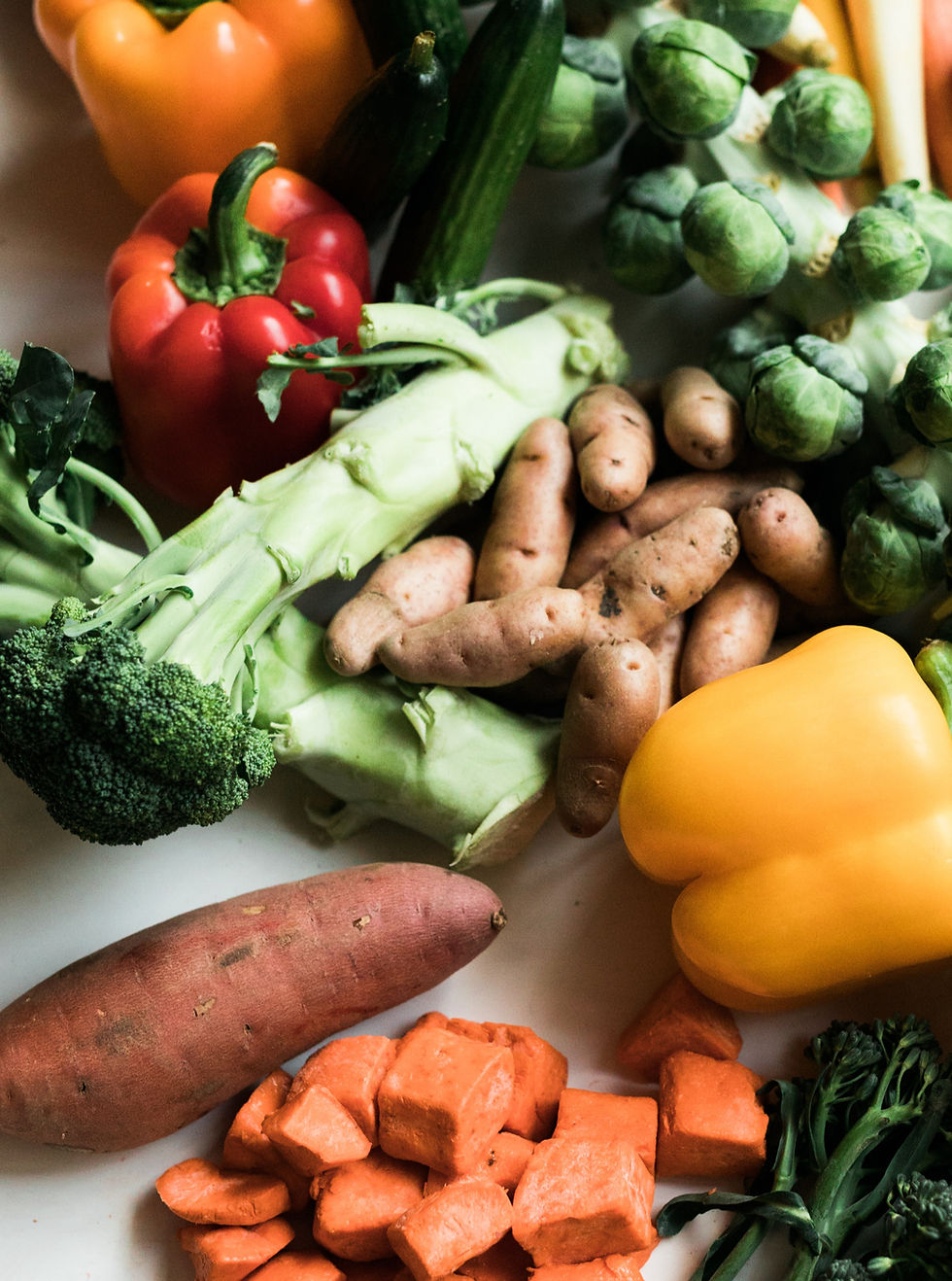
Sweet Potatoes: A great source of vitamins A and C, sweet potatoes can provide roughly 86 calories per 100 grams and can offer a tasty change in texture and flavor.
Pumpkin: This fiber-rich veggie averages around 26 calories per 100 grams and is excellent for digestion, potentially helping with weight management.
As you introduce new vegetables, do so gradually and monitor your dog for any adverse reactions. This simple strategy helps prevent any sudden digestive issues.
Preparing Vegetables for Your Dog
Before serving vegetables to your dog, proper preparation is essential. Most vegetables should be cooked to make them easier to digest and maximize nutrient absorption. Steaming or boiling is often the best method, as these techniques retain most of the nutrients without adding harmful substances. Avoid seasonings, oils, or sauces, as these can be detrimental to your dog's health.
Although some vegetables like carrots and green beans can be served raw, always cut them into manageable pieces to prevent choking. A good rule is to slice them into pieces roughly the size of the dog's kibble, ensuring they can chew and swallow safely.
Embrace Your Dog's Nutritional Journey
Incorporating vegetables into your dog's diet can be a fun way to enhance their meals. Be sure to keep the portions moderate, select the right types of veggies, and prepare them correctly to maximize their benefits. With a little creativity, you can create a balanced diet that keeps your dog happy and healthy.
Always consult with your veterinarian for personalized advice, and enjoy exploring new flavors with your furry friend. Making informed choices about your dog's diet allows you to ensure they live a long, healthy, and joyful life. Happy feeding!
The information provided is for educational purposes only and is not a substitute for professional veterinary advice, diagnosis, or treatment.


